what a 30-year garage business taught me about brand trust
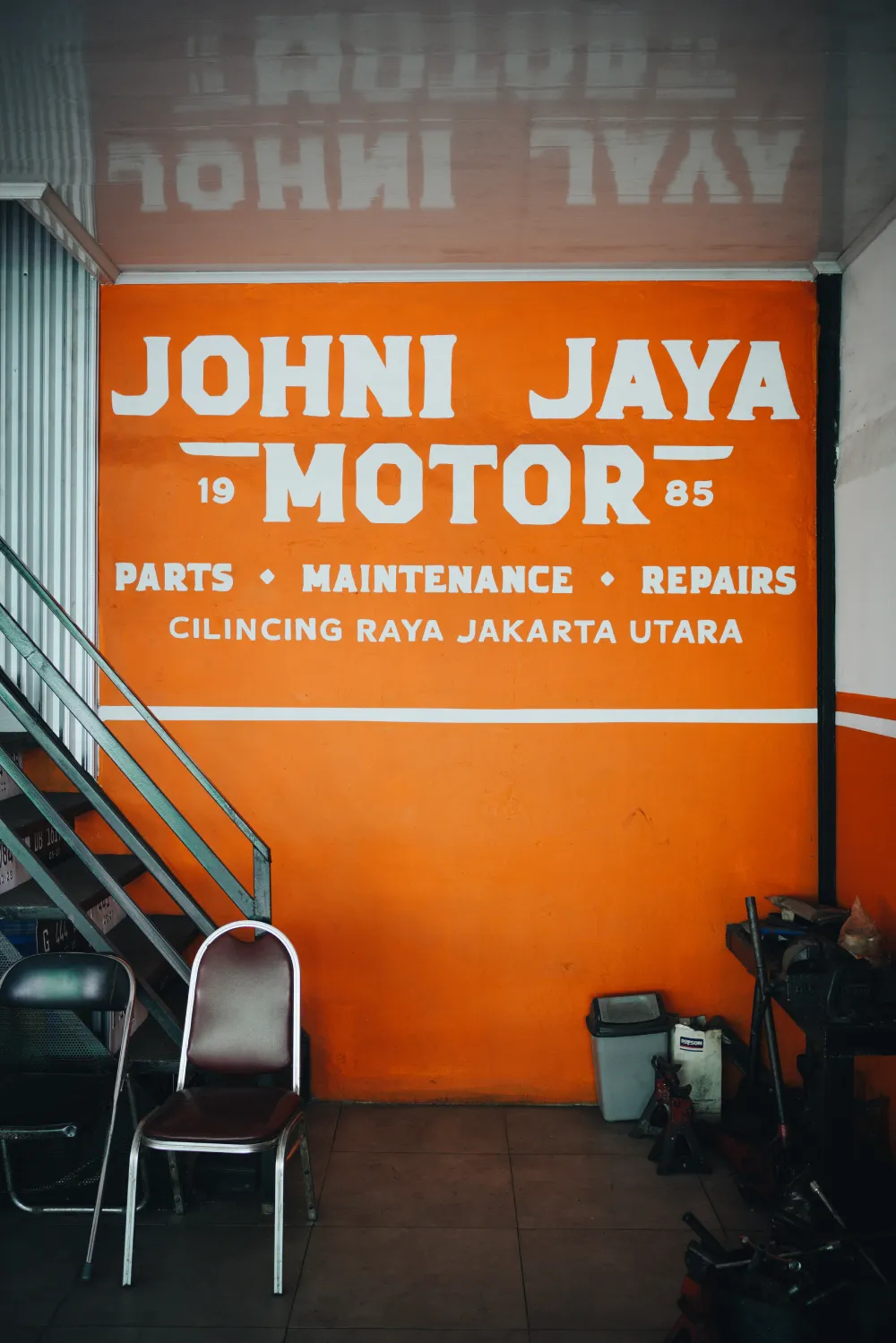
My dad’s workshop has no logo.
No signage on the front. No Instagram page. No Google listing, no paid ads, no brand guidelines. For over 30 years, Johni Jaya Motor has run on something that most modern marketing playbooks overlook entirely: trust built through consistent, honest human interaction.
And the phone never stops ringing.
Growing up watching him work taught me more about brand strategy than any agency job ever did. Not because he was doing anything groundbreaking, but because he was doing the fundamentals so well that they became invisible. And the invisible ones are always the most powerful.
trust is not a campaign. it's a pattern.
My dad never pitched anyone. He never ran a promotion or pushed a deal. What he did, every single day for three decades, was show up, do the work well, and treat every person who walked through his door like they mattered.
Simon Sinek writes in Start With Why: “People don’t buy what you do; they buy why you do it.”
My dad’s “why” was never about the mechanics. It was about taking care of people. His customers came back not just because he fixed their cars, but because they trusted him with something important to them. That trust was earned quietly, over time, through repetition.
That’s not a strategy you can launch in a quarter. It’s a culture you build across years.
the learning:
Brand trust is not built through a single campaign or a well-designed logo. It’s built through the pattern of how you show up over time. Consistently. Honestly. With the customer’s experience at the center of everything.

word of mouth is still the most powerful marketing tool
Seth Godin writes in This Is Marketing: “People like us do things like this.” That simple idea captures something fundamental about how trust travels. When someone you trust recommends something, you don’t need to be convinced. The trust is already transferred.
For 30 years, my dad was building a network of people who trusted him and told others. That’s not old-fashioned. That’s the foundation that every brand, no matter how digitally sophisticated, is still trying to replicate.
Word of mouth marketing starts with the experience you create, not the content you post. Before you think about your content calendar, ask whether the experience you’re delivering is worth talking about.
consistency builds credibility. credibility builds loyalty.
One of the things that always struck me about my dad’s business was how predictable it was. Not boring. Predictable in the way that reliability is predictable. You knew what you were getting. The quality didn’t drop depending on the day or the client or the size of the job. It was always the same standard.
“Trust is built in very small moments.” —Brené Brown
Those small moments, the phone call returned, the job finished on time, the honest quote given without inflating the price, stacked up into something unshakeable over three decades.
Most brands try to build trust through big launches and high-production campaigns. But the small moments are where trust actually lives.
Credibility is the result of a thousand small, unremarkable moments of doing what you said you would do. Consistency is not the exciting part of brand building. It is the most important part.
people remember how you made them feel
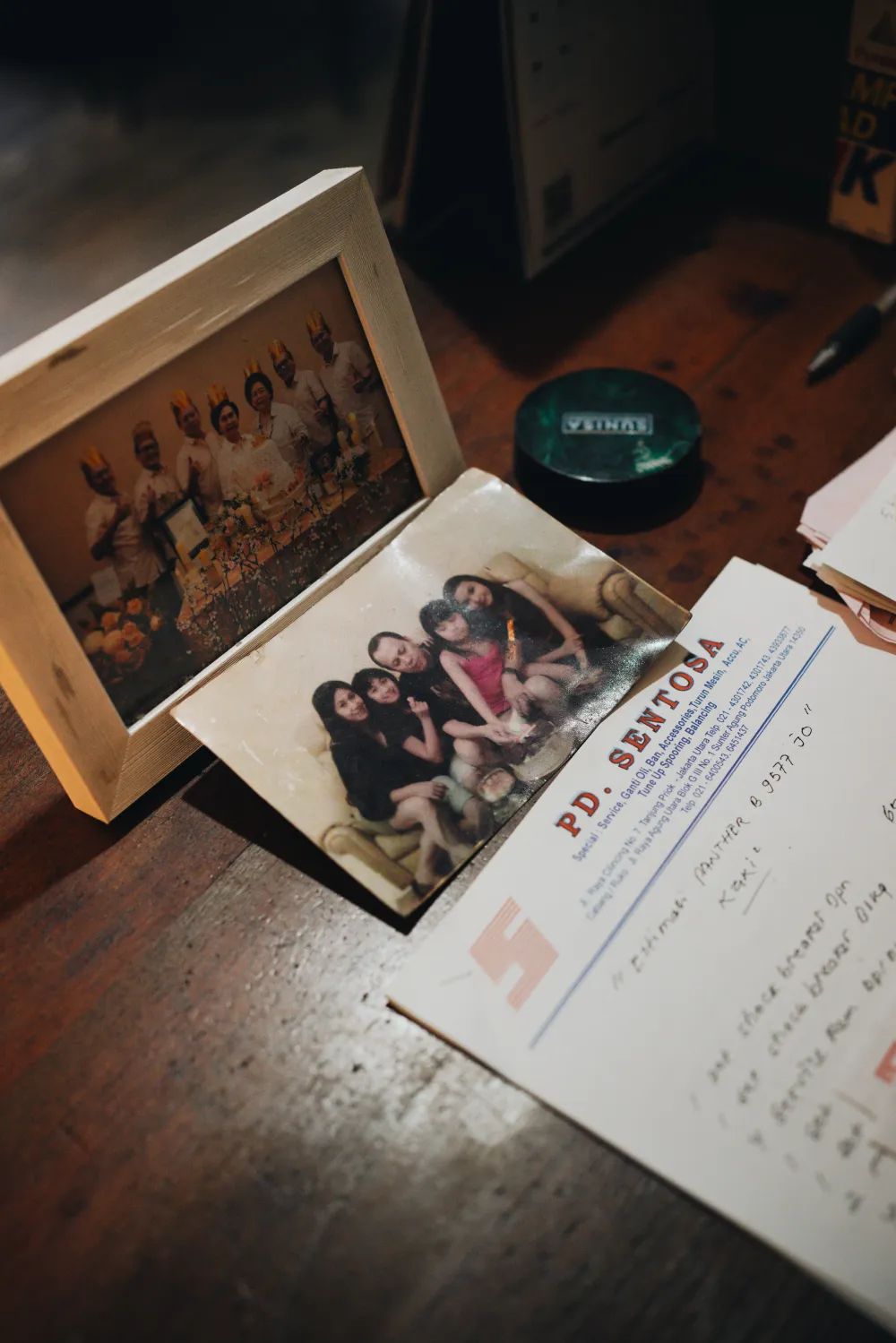
My dad’s customers didn’t just come back because the work was good. They came back because of how the experience felt. He remembered their names. He asked about their families. He was honest when a repair was unnecessary. He made people feel seen and respected.
My dad understood this intuitively. He never positioned himself as the expert talking down to customers. He positioned himself as someone on their side. That shift in orientation, from service provider to trusted ally, is what turned transactions into relationships.
People don’t remember what you said as much as they remember how you made them feel. Brand experience is emotional before it is rational. Build the feeling first.
what this means for modern brand building
When I started Johni Jaya Motor’s rebrand, the goal was never to change what already worked. It was to make what already worked visible. To give a 30-year legacy a name and a face that matched the trust it had already earned.
That’s what good brand strategy is, at its core. Not inventing something new, but finding the truth that already exists and helping more people see it.
A strong brand identity, a clear content direction, and targeted paid ads can amplify trust that’s already there. But they cannot manufacture it. That part has to be earned.
My dad built his for 30 years without a single marketing tool. In an industry full of noise, that quiet consistency became its own kind of brand.
And it still is.
Celine Rosalina is a brand strategist and creative director based in Bali,
working with founders and brands across hospitality, lifestyle, tech, and beyond. talkinfive.com